If I had a nickel for every time a fan told me, “It must be nice to just sit there and drive,” or “At least the pit crew gets to stand around until the car comes in,” I’d have enough cash to fund a small-town short-track team for a decade. After 11 years spent navigating the chaos of the NASCAR garage area, I can tell you that the misconception that motorsport is a passive endeavor is the fastest way to get laughed out of a haul. Whether you’re strapped into a carbon-fiber tub pulling 5G corners or you’re a tire changer hitting a sub-10-second stop at 110-degree ambient track temperatures, you are participating in a high-load athletic event.
The question I get asked most frequently on social media is simple: Do the guys over the wall use the same recovery tech as the guys behind the wheel? The answer is both yes and no. While the physiological stressors differ in nature, the recovery protocols for both groups have converged significantly in the last five years. Let’s break down the reality of crew athlete wellness and why the "miracle cure" marketing needs to stay out of our garage.

The Physics of the Garage vs. The Cockpit
To understand the recovery, you have to understand the strain. We aren’t talking about a casual gym session. We are talking about the cumulative effect of a 36-race season that spans thousands of miles and massive temperature swings.
The Driver: G-Forces and Cognitive Load
For drivers in IndyCar and F1, the physical demand is centered on neck stabilization and cardiovascular efficiency. When you are pulling sustained high G-forces, your neck muscles are essentially acting as a structural brace for your head. This leads to profound muscular fatigue and central nervous system (CNS) exhaustion. According to data often cited in publications like The Permanente Journal regarding high-stress professions, the cognitive load of racing—combined with the heat—drains the body’s glucose stores and elevates cortisol levels in a way that regular exercise rarely replicates.
The Pit Crew: The HIIT Athlete
A tire changer or a jackman isn't "standing around." That’s a myth. When the car hits the box, it’s 15 to 45 seconds of absolute, maximum-effort anaerobic activity. It is essentially a violent HIIT session performed in flame-retardant gear that traps heat. We are certificate of analysis COA talking about heart rates spiking from 110 beats per minute to 180 in a split second, all while dealing with the risk of impact, pinch points, and the mental stress of a championship-deciding stop.
Recovery Comparison: Is it a One-to-One Match?
The tools that top-tier teams provide are increasingly uniform. Both drivers and crews are now relying on data-driven recovery to survive the grind of a race weekend. Here is a breakdown of how the recovery strategies compare:
Tool/Method Driver Application Pit Crew Application Compression Therapy Used post-race to mitigate lower limb edema. Used during travel and post-race to speed up lymphatic drainage. Cold Water Immersion Standard for core temperature reduction immediately post-race. Used for inflammation management after high-heat garage days. Sleep Hygiene Protocols Controlled environments in motorcoaches. Difficult, often relies on blackout curtains and supplements. CBD/Topicals WADA-compliant protocols only. Often unregulated, which is a major red flag.
The "Third-Party Lab" Reality Check
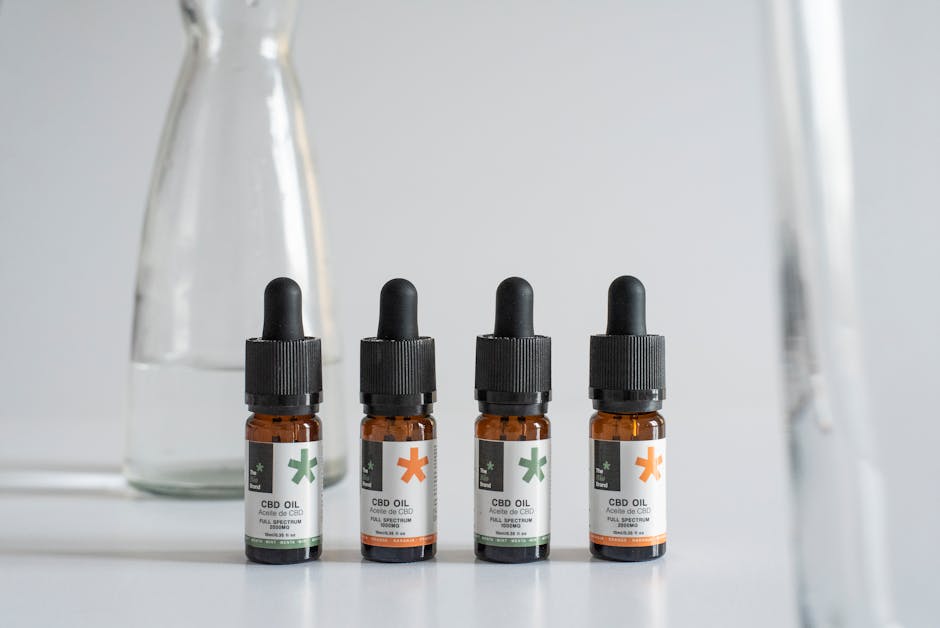
This is where I get grumpy. Every time a new "recovery balm" or "wellness tincture" pops up in the garage, the first thing I look for is the Certificate of Analysis (COA). If a product doesn't have a COA from a reputable, third-party lab, it doesn't enter the locker room. Period.
Drivers are subject to strict drug testing, often aligned with the World Anti-Doping Agency (WADA) guidelines, even if they aren't directly under that specific umbrella in every series. A crew member might not be peeing in a cup as often as a driver, but if you’re ingesting mystery supplements, you’re playing a dangerous game with your own endocrine system.
I often point athletes toward companies like Joy Organics. Why? Because they actually publish their lab results. When you look at their COA, you can see exactly what’s in the product. It’s not "hand-wavy" wellness talk; it’s chemistry. If a product claims to cure your race weekend soreness but doesn't provide a COA, assume it’s snake oil. Don't put garbage in your body just because a sponsor logo is on the bottle.
The Travel Fatigue Factor
We cannot talk about recovery without talking about the travel. A 36-race season usually means flying in on Thursday or Friday and getting home on a Monday or Tuesday, often crossing multiple time zones. This is not "vacation travel." This is constant circadian rhythm disruption.
At 2:00 AM post-race, the last thing you want to do is pack up tools, load the pit box, and catch a red-eye. The best recovery tool for both drivers and crews in this situation is simple: hydration and aggressive sleep scheduling. No "detox" tea is going to reverse the damage done by a 4:00 AM wake-up call in a different time zone. If anyone tries to sell you a "detox" pill after a race, walk away. Your liver and kidneys handle your detoxing; your job is to provide them with the water and nutrients they need to do their jobs.
Practical Tips for Crew Athlete Wellness
If you’re working in the garage—whether you’re turning wrenches or changing tires—you need to treat yourself like the professional athlete you are. Here is your baseline protocol:
Verify the COA: If you are using any topical CBD or recovery supplement, find the third-party lab testing. If it’s not on the website, email the company. If they don't reply, stop using the product. Hydration is not optional: Electrolyte balance is critical. During those 15 to 45 minutes after the race, focus on sodium and potassium replacement, not just chugging plain water. Prioritize the "Off" Hours: The most elite drivers have strict sleep routines. You might not have a motorcoach, but you can control your light exposure. Use eye masks and blue-light-blocking glasses if you’re staring at your phone in a hotel room at midnight after the race. Listen to the Data, Not the Hype: If your heart rate variability (HRV) is tanking, you aren’t "pushing through." You’re overtraining. Adjust your workload.Final Thoughts
There is no magic pill for race weekend soreness. The tools drivers use—compression, targeted supplementation, thermal therapy, and strict sleep hygiene—are accessible to pit crew members, and they should be used with the same level of scrutiny. We are all putting our bodies through an absolute wringer of heat, G-forces, and travel stress.
Stop looking for the "miracle" and start looking at the COAs. Your body is your career—don't treat it like a disposable part. If you’re pushing hard on the pit road, you’re a high-performance machine. Treat yourself with the same scientific rigor that the engineers apply to the car.
Disclaimer: Always consult with a medical professional before starting any new supplement regimen, especially if you are subject to regular drug testing protocols.